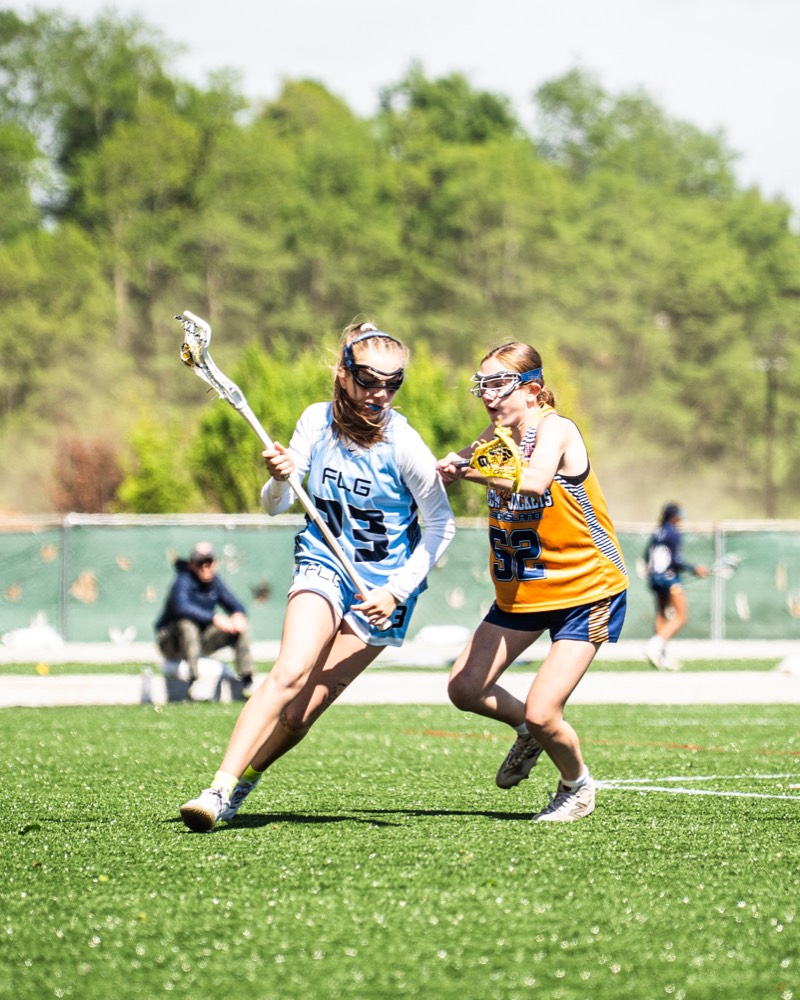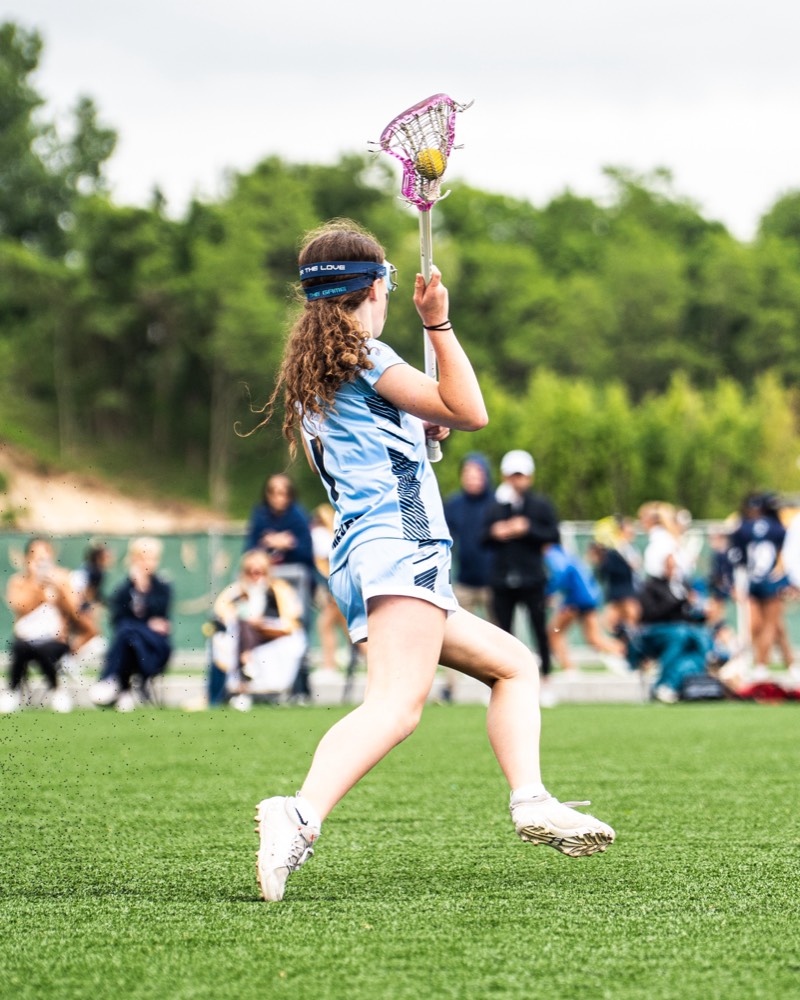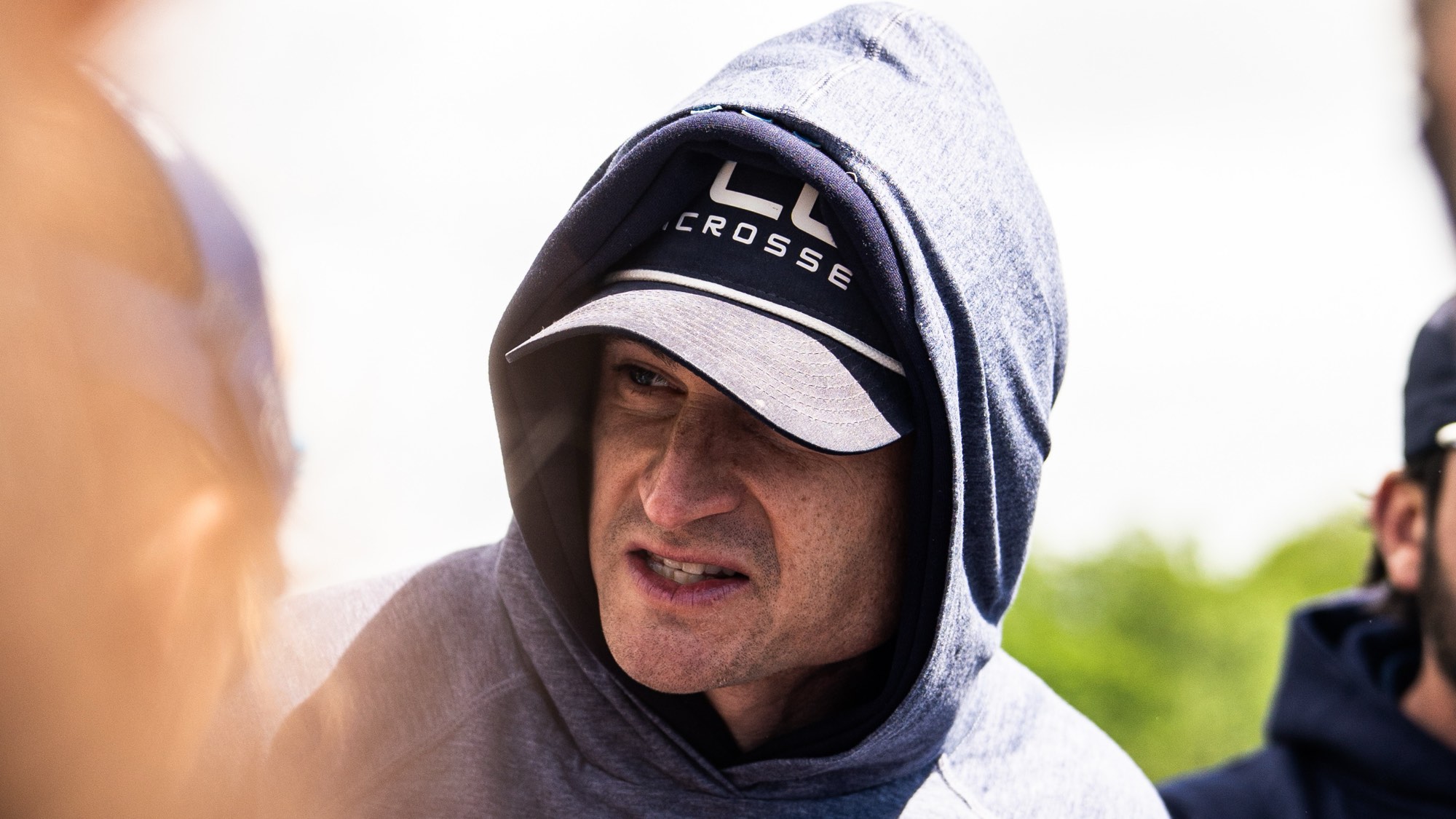
One system. Every coach certified.
A player at FLG gets the same kind of practice whether she’s six or sixteen, whether she draws a head coach with twenty years in the game or a junior coach in her first season. That isn’t luck. It’s a system every coach on our staff is trained and certified in.
- 33
- Coaches on staff
- 11
- Teams coached this season
- 7
- Jr. coaches learning the craft
- 6
- Dials every coach learns
Where do you want to start?
Coach sign-in
Certification courses, the practice plan builder, the drill library, your hours and payouts.
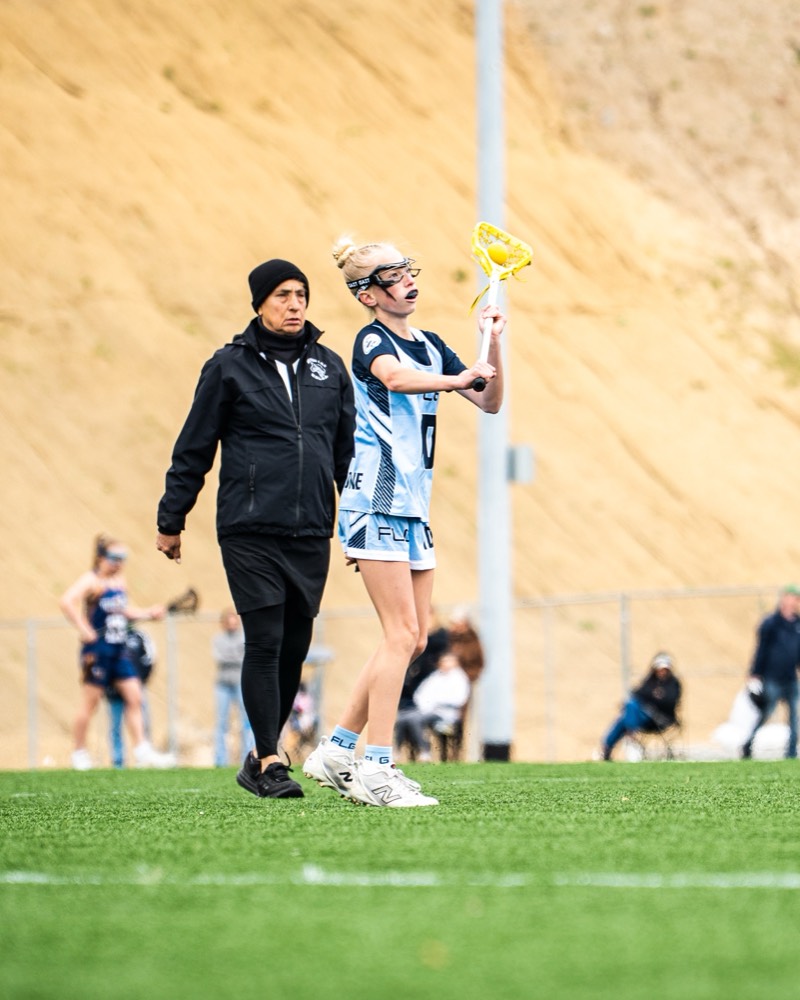
How we coach
What a constraints-led practice looks like, why we ask questions instead of giving answers, and how it changes from Love Lax to Select.
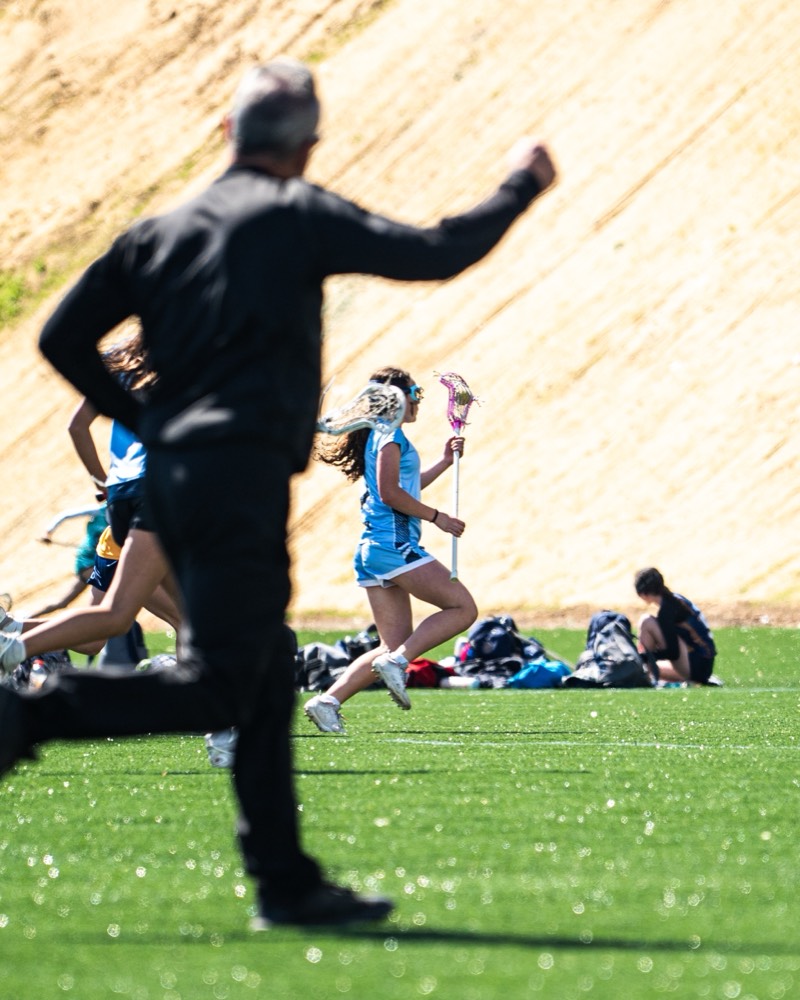
Coach with FLG
Paid junior and assistant coaching roles for current and former players. Flexible, built around your season, and you’ll learn to coach properly.
Turn a dial, change the game
Every FLG coach learns to make a game harder or easier using six dials. Turn one at a time.
Space
Make the field bigger or smaller, wider or narrower.
A tight box forces quick hands; a long field forces decisions on the move.
Time
Add a clock or take one away.
Three seconds to shoot changes what a player looks for before she catches.
Numbers
3v2, 4v4, 5v4.
Give the offense an extra player and they learn to find her. Take one away and they learn to keep the ball.
Rules
Change what scores.
A goal only counts off a feed. The defense wins the rep if they force a turnover in ten seconds.
Tools
Change the equipment or the target.
A smaller goal, a bigger ball, two goals instead of one.
Info
Change what players can see or hear.
No talking. Cutters wear pinnies. The coach calls the direction late.
Parents sometimes ask why a practice looked “weird.” Usually a dial was turned.
Why the coach is asking questions
The coach says
“Get your hands up.”
The player fixes it for that rep and forgets it by the next one.
The FLG coach asks
“Where did the pass come from?”
The player looks, connects it to what she felt, and owns it.
Our coaches use a questioning ladder — a set of prompts from open to specific — and they’re trained to ask one question and then be quiet. We coach with external cues — where the ball should go, what the defender should feel — rather than instructions about elbows and feet.
What changes as she grows
The approach is the same at every age. What changes is how far we turn the dials and how much a player specializes.
Love Lax K–2
Everything is a game. No positions, no position sessions, no lines. Success is a kid who wants to come back next week.
Positions
- None
- Everywhere
- Rotating
- Specialized
3 teams this season
Youth 3rd–6th grade
Small-sided games with one dial turned. Every player plays everywhere. We’re building the whole athlete, not a position.
Positions
- None
- Everywhere
- Rotating
- Specialized
5 teams this season
Middle school 7th–8th grade
Position sessions appear, but they rotate — an attacker spends time on defense on purpose. Two dials at a time. Players start designing their own solutions out loud.
Select / High School 9th–12th grade
True specialization. Position tracks, a season program built around game problems, and practices players can read themselves. This is where commits get made, and it’s built on everything below it.
Where the practice shows up
What “certified” means here
Every coach on our staff completes Level 1 before their first session and renews it every season. It isn’t a governing-body clinic and doesn’t replace one — it’s our own course in the specific way we run practices.
- 11
- sections
- 29
- knowledge checks
- 18
- exam questions
- $0
- cost to coaches
Online and self-paced, on a phone or laptop. Level 1 doesn’t cover background screening or safety requirements; the Program Director confirms what applies to each coach separately.
Level 1 Every coach
The system: dials, loop, blueprint, questioning, cueing. Completed before a coach’s first paid FLG event, and renewed every season.
- The four core ideas behind the FLG approach
- The Six Dials
- The Design Loop — observe, adjust, repeat
- The Practice Blueprint
- The constraint library
- Scaling a session across age bands
- The Questioning Ladder
- External cueing
- Peer observation and feedback
- Building and running your own session plan
Level 2 Assistant and position coaches
Designing your own sessions from a game problem; running a position track inside a team week.
Opened by the Program Director once a coach has a season of Level 1 coaching behind her.
Level 3 Head coaches
Season design, staffing a team week, observing and developing other coaches.
Opened by the Program Director once a coach has a season of Level 1 coaching behind her.
Want your daughter coached this way?
The system is the same on every FLG team.